
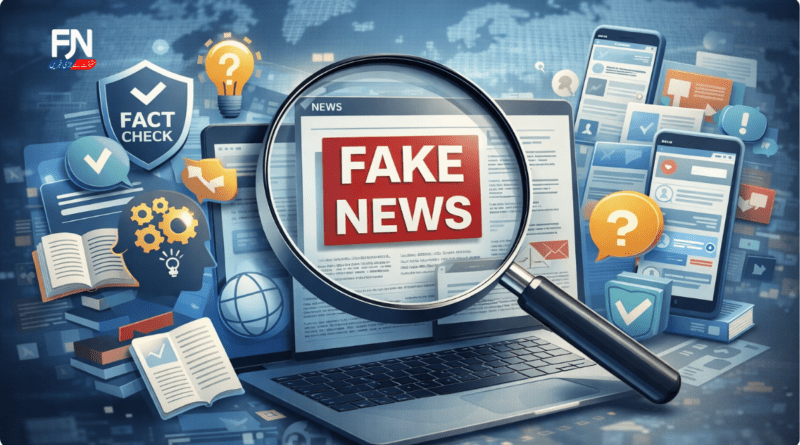
Media Literacy, Fact-Checking & Misinformation: A Complete In-Depth Guide 2026
In today’s digital-first world, information travels faster than ever—but so does misinformation. From viral social media posts to misleading headlines, false or distorted content has become a global concern. A recent Pew Research Center survey found that large majorities across multiple countries view online misinformation as a serious threat to society. In response, global institutions increasingly emphasize media literacy and fact-checking as essential defenses against information disorder.
UNESCO defines media and information literacy as the set of skills that enables people to access, analyze, evaluate, and create information critically in the digital age. At Fact Nama, our in-depth reporting focuses on evidence-based journalism, verified sources, and global research to help readers distinguish fact from falsehood.
This pillar page serves as a central guide to media literacy, misinformation, and fact-checking. It introduces core concepts, explains how different subtopics connect, and highlights real-world impacts, tools, education pathways, and ethical debates—while directing readers to detailed Fact Nama articles for deeper exploration.
Core Concepts & Definitions
At its core, media literacy refers to the ability to access, analyze, evaluate, and responsibly engage with media content. It involves understanding how information is produced, recognizing bias, and questioning messages rather than accepting them at face value. Closely related is critical thinking, which focuses on evaluating evidence, sources, and intent behind information.
In journalism and public discourse, fact-checking is the process of verifying claims, data, and sources to ensure accuracy before information is shared. Meanwhile, the term fake news is commonly used to describe fabricated or misleading content presented as legitimate news.
Experts further distinguish between different forms of false information. Misinformation refers to inaccurate or misleading content shared without harmful intent, while disinformation is deliberately created to deceive. Understanding these distinctions is the foundation of informed media consumption and responsible information sharing.
For detailed definitions and breakdowns, readers can explore Fact Nama’s in-depth guides on media literacy components and misinformation classifications.
Key Subtopics & Frameworks
Media literacy and misinformation are not isolated ideas; they operate within an interconnected framework.
Media & Critical Literacy
Critical media literacy provides frameworks for analyzing news, advertisements, and digital content by examining power, representation, and intent. These approaches help audiences identify manipulation and hidden narratives while strengthening independent judgment.
Fact-Checking & Verification
Professional fact-checking relies on structured methods, ethical standards, and transparent sourcing. Verification practices support journalism, public trust, and accountability across digital platforms.
Together, these subtopics reinforce one another. Media literacy builds the skills to question information, while fact-checking provides the tools to verify it—forming the backbone of a healthy information ecosystem.
Fact Nama’s analytical guides on critical media literacy and fact-checking tools explore these frameworks in depth.
Real-World Impact & Examples
The impact of misinformation extends far beyond online spaces. Misleading content has influenced elections, fueled public health confusion, and intensified social polarization. Real-world case studies demonstrate how quickly false narratives can spread—and how they can be corrected.
Fact Nama’s case-based reporting highlights examples where critical reading exposed hidden bias in news coverage, as well as investigations showing how viral hoaxes were debunked through verification techniques. Educational contexts reflect similar challenges: students increasingly encounter unreliable sources, making media literacy skills essential for academic and civic life.
These examples illustrate a clear reality—without media literacy and fact-checking, misinformation can shape opinions and decisions with serious consequences.
Readers seeking practical illustrations can explore Fact Nama’s articles on fake news detection and critical media literacy examples.
Tools, Methods & Practices
While this pillar page provides an overview, it is important to recognize the tools and practices that support media literacy and verification.
-
Fact-Checking Tools & Networks: Digital platforms, databases, and independent organizations that verify claims and images.
-
Verification Techniques: Methods such as cross-referencing multiple sources, checking original context, and using digital forensic tools like reverse image searches.
-
Media Literacy Frameworks: Structured evaluation models, including journalistic verification standards and source credibility tests, that guide critical analysis.
These practices are widely used by journalists, educators, and researchers to ensure accuracy and accountability.
Detailed explanations of these tools and methods are available in Fact Nama’s dedicated fact-checking resources.
Education, Careers & Practical Use
Media literacy and fact-checking now play a growing role in education and professional life.
Education
Schools and universities increasingly integrate media literacy into curricula. Students learn to evaluate sources, identify bias, and verify information through guided exercises and lesson plans designed to strengthen critical thinking.
Careers
Fact-checking has emerged as a professional field within journalism, research organizations, and civil society. Career paths require strong analytical skills, ethical judgment, and familiarity with verification tools. Fact Nama publishes practical career guides outlining how individuals can enter and grow within this field.
In both classrooms and newsrooms, applying media literacy is no longer optional—it is a core competency for navigating the modern information environment.
Readers interested in education or career pathways can explore Fact Nama’s student guides and professional fact-checking articles.
Platforms, Ethics & Responsibility
Digital platforms play a powerful role in shaping information flows. Social media algorithms can amplify false content at scale, raising concerns about accountability and regulation. UNESCO has warned that digital platforms have accelerated the spread of disinformation, posing risks to democratic processes and social cohesion.
At the same time, debates continue over how responsibility should be shared. Some experts advocate stronger platform oversight and transparency, while others emphasize empowering users through education and media literacy. Both perspectives highlight the need for balanced, ethical solutions.
Fact Nama’s analysis of platform responsibility presents these arguments objectively, examining policy debates without endorsing a single approach.
Readers can explore our in-depth discussion on social media accountability for a deeper policy perspective.
Why This Topic Matters Today
Misinformation remains one of the most pressing challenges of the digital age. Global surveys consistently show declining trust in online information, while emerging technologies—such as AI-generated content and deepfakes—introduce new risks.
UNESCO has described the rise of disinformation as a threat to social stability, while research shows that even content creators often fail to verify information before sharing it. These trends underline the urgent need for stronger media literacy, critical thinking, and fact-checking practices.
As societies navigate complex political, health, and technological challenges, the ability to evaluate information responsibly is essential. Fact Nama’s mission is to support informed citizenship by providing reliable analysis, evidence-based reporting, and practical guidance. This pillar page—and the in-depth articles it connects—aims to help readers navigate today’s media landscape with confidence and clarity.
Frequently Asked Questions (FAQ)
What is media literacy?
Media literacy is the ability to access, analyze, evaluate, and create media content while understanding how information is constructed. It involves questioning sources, recognizing bias, and thinking critically about messages encountered online and offline.
Why is fact-checking important?
Fact-checking helps prevent the spread of false information by verifying claims before they are shared. It supports trustworthy journalism and informed public discourse by ensuring accuracy and accountability.
What’s the difference between misinformation and disinformation?
Misinformation is false information shared unintentionally, often due to misunderstanding. Disinformation is deliberately created and spread to mislead or manipulate audiences.
How can I spot fake news?
Check the source, compare the story with coverage from reputable outlets, look for evidence or expert citations, and be cautious of emotionally charged headlines. Fact-checking tools and verification methods can also help identify misleading content.
Are social media platforms responsible for misinformation?
This remains debated. Many experts argue platforms should take greater responsibility due to their role in amplifying content, while others emphasize user education and media literacy. In practice, solutions may require a combination of both approaches.
Sources
-
UNESCO — Media and Information Literacy Framework
-
UNESCO — Definitions of Misinformation and Disinformation
-
Pew Research Center — Global Surveys on Online Misinformation
-
UNESCO / Guardian — Reporting on Digital Misinformation and Influencers
