
Media Literacy Importance: 7 Powerful Reasons It Matters in the Digital Age
Introduction
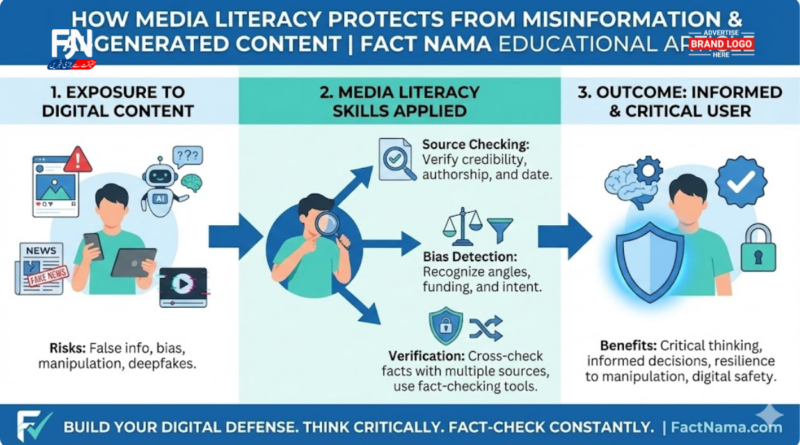
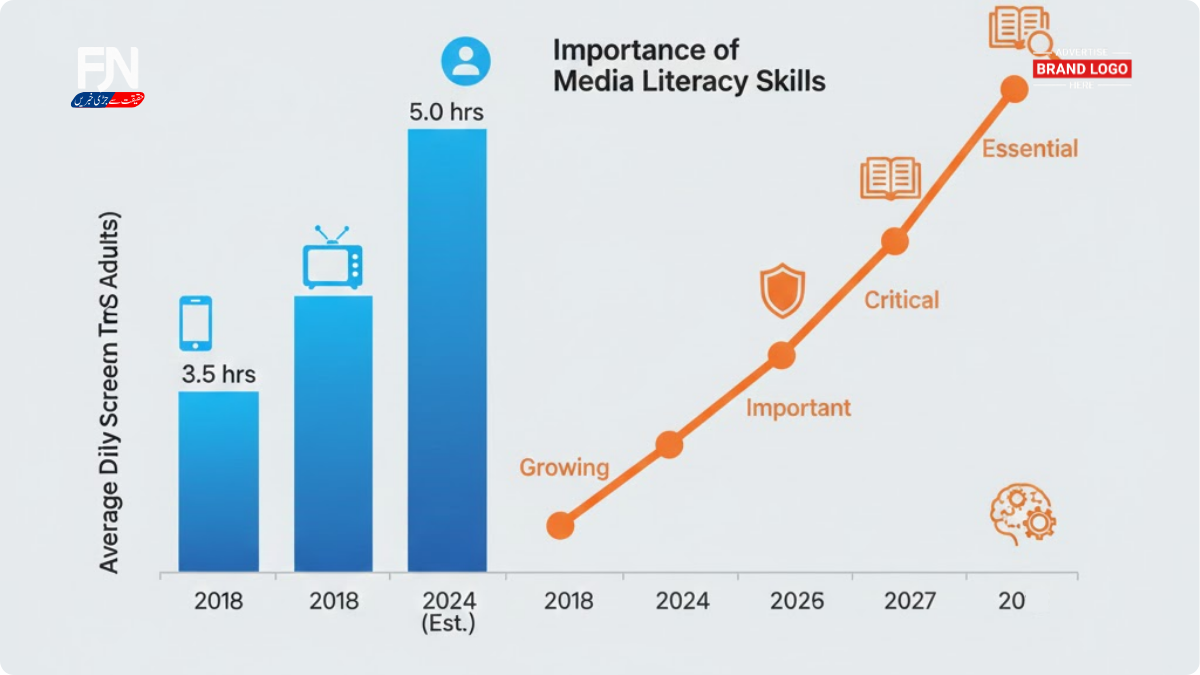
The media literacy importance has never been greater than it is today. Americans now spend more than seven hours a day consuming digital content, from social media feeds and streaming platforms to online news and AI-generated summaries. Information is everywhere—but accuracy, context, and intent are not always guaranteed.
Media literacy is no longer just an academic concept taught in classrooms. It has become a survival skill for navigating elections, understanding social issues, identifying misinformation, and making informed decisions in daily life. Without it, audiences risk becoming passive consumers of misleading headlines, manipulated images, and emotionally charged narratives.
As media ecosystems grow more complex, understanding how information is created, shared, and monetized empowers people to think critically instead of reacting emotionally. This article explains what media literacy is, why it matters, and how it shapes informed citizens in a digital-first society.
What Is Media Literacy?
Media literacy refers to the ability to access, analyze, evaluate, create, and act on media messages across platforms such as television, news websites, social media, podcasts, and search engines.
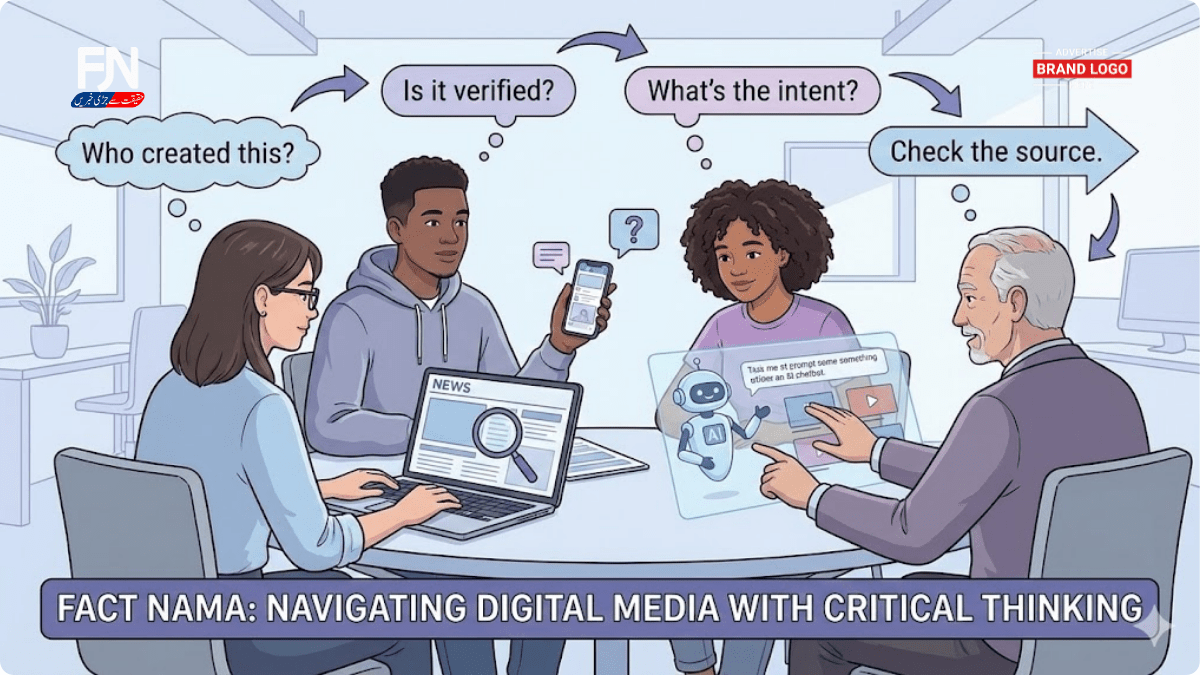
Being media literate means asking essential questions:
-
Who created this message?
-
Why was it created?
-
What evidence supports it?
-
Who benefits from its spread?
Unlike traditional literacy, media literacy goes beyond reading and writing. It includes understanding bias, algorithms, persuasion techniques, ownership structures, and cultural influence. A media-literate individual does not simply consume content—they actively evaluate it.
Why Media Literacy Is Important in Today’s Society
1. The Explosion of Digital Content
The average American is exposed to thousands of media messages daily. Algorithms personalize content, often reinforcing existing beliefs rather than presenting balanced perspectives. Media literacy helps users recognize filter bubbles and echo chambers, allowing them to seek diverse viewpoints intentionally.
2. Misinformation, Disinformation, and AI Content
False and misleading content spreads faster than factual reporting—especially on social platforms. A 2024 Boston University survey found that 72% of Americans believe media literacy skills are essential to identifying misleading information, particularly AI-generated content.
Media literacy equips people to:
-
Spot manipulated images and videos
-
Verify sources
-
Distinguish opinion from fact
-
Understand intent behind viral claims
Media Literacy and Democracy
A functioning democracy depends on informed citizens. Elections, public policy debates, and civic participation rely on accurate information.
When media literacy is weak:
-
Voters may fall for propaganda
-
Emotional narratives replace evidence
-
Polarization intensifies
Practicing media literacy supports democratic values by encouraging fact-based decision-making, healthy skepticism, and respectful engagement with opposing viewpoints. Understanding journalism standards—such as sourcing, transparency, and accountability—helps readers assess credibility during high-stakes election cycles.
Importance of Media Literacy for Students and Young Adults
Young people are the most active digital media users, yet many lack formal training in evaluating online content. Media literacy helps students:
-
Develop critical thinking skills
-
Avoid manipulation and online scams
-
Understand digital footprints
-
Create responsible content
Education experts argue that media literacy should be taught alongside reading, writing, and mathematics. As future voters and professionals, students benefit from learning how media shapes opinions, culture, and identity.
Digital Literacy vs Media Literacy: What’s the Difference?
While closely related, they are not identical.
Digital literacy focuses on:
-
Using technology effectively
-
Navigating platforms and tools
-
Understanding basic online safety
Media literacy goes deeper by analyzing:
-
Message intent
-
Bias and framing
-
Power structures
-
Cultural impact
Together, they form a critical skillset for modern life—especially as artificial intelligence, deepfakes, and automated content become more common.
How Media Influences Culture and Society
Media does more than report events—it shapes norms, values, and public perception. From entertainment to news coverage, repeated narratives influence how communities see themselves and others.
Media literacy allows individuals to:
-
Identify stereotypes
-
Recognize underrepresentation or omission
-
Understand how media reinforces dominant ideologies
By questioning portrayals and narratives, audiences become more aware of how culture is constructed and whose voices are amplified—or silenced.
Common Myths About Media Literacy
Myth 1: Media literacy tells people what to think
Reality: Media literacy teaches how to think, not what to think.
Myth 2: Only students need media literacy
Reality: Adults are just as vulnerable to misinformation, especially online.
Myth 3: Trusted sources never make mistakes
Reality: Credible outlets follow standards, but verification and context still matter.
Practical Media Literacy Skills Everyone Should Practice
1. Lateral Reading
Check multiple sources before believing or sharing information.
2. Source Evaluation
Research the author, organization, and funding behind content.
3. Context Checking
Images and quotes can be misleading when removed from their original context.
4. Emotional Awareness
Strong emotional reactions are often used to drive clicks rather than truth.
5. Logical Reasoning
Watch for fallacies such as exaggeration, false dilemmas, or fear-based framing.
Expert Perspectives on Media Literacy Importance
Communication scholars emphasize that media literacy empowers individuals to become active participants rather than passive consumers.
Experts note that media-literate individuals:
-
Make better civic decisions
-
Are less susceptible to propaganda
-
Engage more constructively in public discourse
As generative AI accelerates content production, experts agree that human critical thinking remains irreplaceable.
FAQs (Rich Snippet Optimized)
Why is media literacy important in daily life?
Media literacy helps people evaluate information, avoid manipulation, and make informed personal, financial, and civic decisions.
What is the purpose of media literacy?
Its purpose is to empower individuals to critically analyze media messages and understand their influence on beliefs and behavior.
Why is media literacy important for students?
It builds critical thinking, digital responsibility, and resilience against misinformation at an early age.
How does media literacy impact democracy?
It supports informed voting, reduces the spread of false information, and encourages evidence-based public debate.
Is media literacy relevant in the age of AI?
Yes. Media literacy is essential for identifying AI-generated misinformation and understanding algorithmic influence.
Conclusion
The media literacy importance extends far beyond classrooms and textbooks. In a media-saturated world shaped by algorithms, artificial intelligence, and nonstop information flows, critical thinking is no longer optional—it is essential.
Media literacy empowers individuals to question, verify, and engage thoughtfully with the content that shapes opinions and decisions. It strengthens democracy, protects against misinformation, and promotes a more informed society.
For deeper insights into digital awareness and fact-based reporting, explore related Fact Nama articles on media literacy, misinformation, and modern journalism.
Suggested Internal Links (Fact Nama)
Sources & References
-
Ipsos Media & Technology Survey (2024)
-
News Literacy Project
-
Academic research on media literacy and digital culture
